
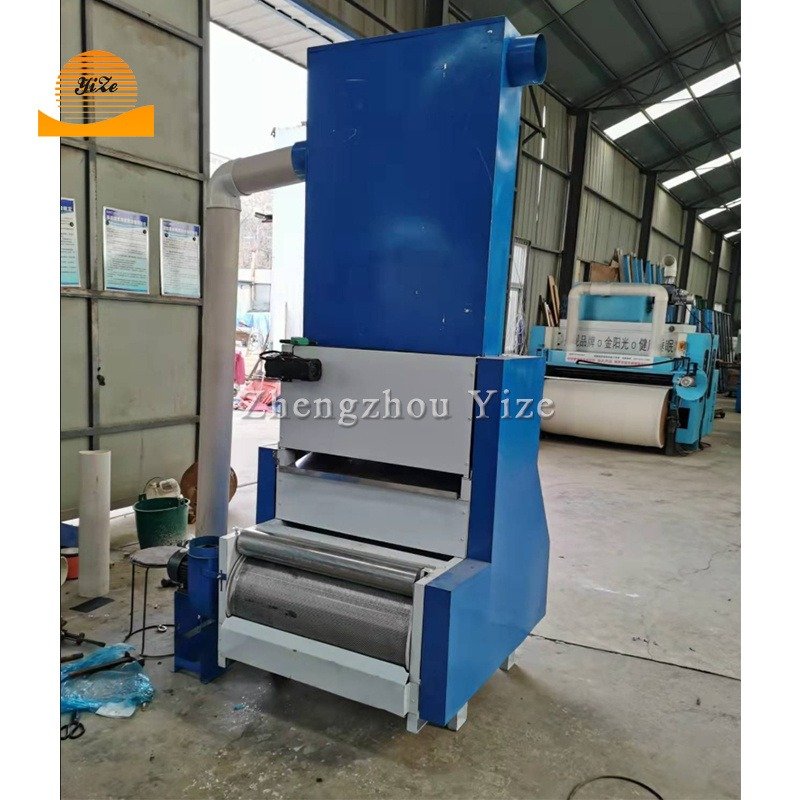
Production line and factory setup overview
A district-scale seasonal line separating lint from seed cotton through lot receiving, moisture and contamination checks, gentle opening and pre-cleaning, controlled saw or roller ginning selected for the cotton variety and fibre target, lint air conveyance, basic lint cleaning, condensation, manual or small hydraulic baling, cottonseed collection and dust control. The gin must preserve fibre length and seed quality, not merely maximize hourly feed.
Recommended lowest-entry line configuration For the lowest credible commercial entry, use one 300-500 kg seed-cotton/h gin stand, matched feeder and pre-cleaner, lint condenser, one gentle lint cleaner only if trials improve grade, cottonseed auger, dust cyclone/filter and a 20-30 ton small bale press. Run turnout and quality trials before selecting saw versus roller gin.
Production process and implementation sequence
- Lot receiving, moisture and contamination checks
- Opening, metered feeding and pre-cleaning
- Saw or roller ginning
- Cottonseed separation and collection
- Lint pneumatic transfer
- Optional gentle lint cleaning
- Condensing and small bale pressing
- Bale sampling, coding and storage
Products, capacity and market fit
- Afghan seed cotton can retain more value through local primary processing.
- Modular equipment suits district-scale seasonal aggregation.
- Cleaning and moisture control protect later gin performance and lint grade.
- Cottonseed and lint need separate traceable storage and buyers.
- Baled cotton lint - Buyer-agreed grade, moisture, contamination, fibre length and bale identity - Spinners and textile traders
- Ginned cottonseed - Clean segregated seed with controlled lint and damage - Oil mills, planting or feed route after testing
Core production machinery and line specifications
| Machine / stage | Function / value | Production note |
|---|---|---|
| Seed-cotton feeder and pre-cleaner | Meters and cleans cotton before the gin stand | 300-500 kg/h |
| Saw or roller gin stand | Separates lint from cottonseed | Chosen after variety trial |
| Cottonseed auger and bins | Protects and identifies the seed co-product | Lot-separated discharge |
| Lint air system and condenser | Transfers and forms a continuous lint batt | Balanced low-loss airflow |
| Optional gentle lint cleaner | Improves grade only when value exceeds fibre loss | One stage maximum at launch |
| Small hydraulic bale press | Forms transportable identified lint bales | 20-30 ton entry press |
| Cyclone, bag filter and spark control | Contains cotton dust and ignition risk | Mandatory gin-house system |
| Sampling and moisture test station | Grades lint and verifies every bale | Calibrated buyer methods |
Raw materials, utilities and factory requirements
- Traceable Afghan seed cotton by variety, farm lot and harvest method
- Bale wrap, wire/strap or bags selected for lint and cottonseed
- Clean replacement screens, filter bags and approved lubricants
- Sampling bags, tags and calibration materials
- Stable electricity matched to motors, controls, lighting and ventilation
- Process and sanitation water of the required quality and pressure
- Safe material storage, fire protection and worker hygiene facilities
- Dust, vapour or wastewater collection sized to the selected process
- Covered raw-material and finished-product storage with traceability
Indicative low-entry investment and implementation plan
These planning ranges prioritize economical machinery, local labor and local civil works. Final pricing follows confirmed capacity, product specification, delivery terms and site conditions.
| Scope | Indicative range | Entry-plan note |
|---|---|---|
| Feeder, pre-cleaner and gin stand | US$12k-32k | 300-500 kg/h entry |
| Lint transfer, condenser and seed handling | US$7k-18k | One gin stream |
| Small bale press and weighing | US$7k-20k | Semi-manual bales |
| Dust, fire and quality controls | US$5k-14k | Mandatory gin-house scope |
| Freight, installation and spares | US$6k-15k | Saws, ribs, belts and bearings |
| Indicative low-entry total | US$37k-99k | Building, cotton stock and vehicles excluded |
Detailed proposal and next step
The proposal contains the complete line flow, machinery scope, raw-material and utility requirements, implementation stages and indicative entry planning. Final configuration follows confirmed products, capacity, site and budget.