
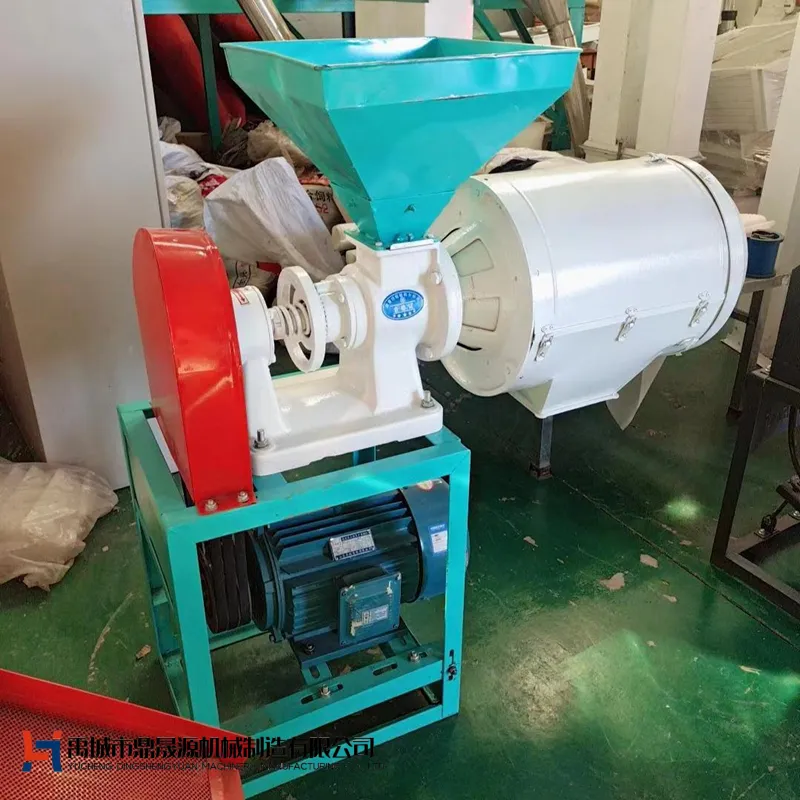
Production line and factory setup overview
A small modular line with shared cleaning and grading, a milling-and-sifting branch for chickpea flour, and a roasting, cooling and seasoning branch for roasted chickpeas.
Recommended lowest-entry line configuration Start with a shared 200-300 kg/h intake, one 50-100 kg/batch roaster, a 100-200 kg/h mill, sifter, cooling table and semi-automatic packing.
Production process and implementation sequence
- Chickpea receiving, sampling and size grading
- Air-screen cleaning, destoning and magnetic protection
- Routing selected lots to flour or roasting branch
- Flour branch: optional dehulling, milling and sifting
- Flour branch: blending, weighing and sealing
- Roast branch: optional soaking or dry recipe preparation
- Roast branch: batch roasting, cooling and seasoning
- Finished-pack inspection, coding and dry storage
Products, capacity and market fit
- Afghan chickpeas can supply both household flour and a shelf-stable local snack.
- Two small finishing branches diversify sales while sharing cleaning and grading equipment.
- Batch roasting supports recipe trials and modest launch volumes.
- Besan can serve bakeries, traditional foods, snack makers and institutional kitchens.
- Chickpea flour (besan) - Buyer-approved granulation, color, moisture and cooking performance - Households, bakeries, restaurants and snack processors
- Plain roasted chickpeas - Uniform roast, crisp texture and low scorched count - Retail snack and institutional buyers
- Seasoned roasted chickpeas - Validated salt or spice dose with stable crispness - Convenience and branded snack channels
- Screenings and hull fraction - Clean, separately collected and safety-checked - Approved feed users
Core production machinery and line specifications
| Machine / stage | Function / value | Production note |
|---|---|---|
| Cleaner, destoner and grader | Creates food-grade lots and uniform roasting sizes | Interchangeable screens for local chickpeas |
| Branch diverter and holding bins | Keeps flour and roasting lots identifiable | Food-grade, dust-tight and cleanable |
| Optional chickpea dehuller | Removes hull before lighter-color flour production | Bypass for whole-chickpea flour |
| Hammer or pin mill | Produces chickpea flour | 100-200 kg/h starter output |
| Flour sifter and dust filter | Controls flour granulation and airborne dust | Oversize return and food-grade screens |
| Batch drum roaster | Roasts graded whole chickpeas with controlled agitation | 50-100 kg/batch planning load |
| Cooling and seasoning section | Stops roasting and applies optional measured seasoning | Perforated cooling table plus small tumbler |
| Semi-automatic packers | Packs flour and roasted chickpeas without cross-contamination | Dedicated auger and granule filling contact parts |
Raw materials, utilities and factory requirements
- Food-grade Afghan chickpeas segregated by size and variety
- Food-grade salt, spices and optional approved oil
- Moisture-barrier flour and snack pouches
- Labels, coding ink and secondary cartons
- Stable three-phase electricity
- Selected safe electric or gas roasting heat source and exhaust
- Dust extraction for cleaning, milling and sifting
- Potable water for sanitation and any validated soak recipe
- Dry raw-material and finished-product storage
Indicative low-entry investment and implementation plan
These planning ranges prioritize economical machinery, local labor and local civil works. Final pricing follows confirmed capacity, product specification, delivery terms and site conditions.
| Scope | Indicative range | Entry-plan note |
|---|---|---|
| Shared cleaning, destoning and grading | US$4k-9k | One common intake section |
| Flour milling, sifting and dust collection | US$4k-10k | Optional dehuller priced separately |
| Batch roasting, cooling and seasoning | US$5k-12k | One flexible starter roaster |
| Semi-automatic packing, electrical and spares | US$4k-9k | Separate product-contact filling parts |
| Freight and clearance | US$3k-7k | Consolidated workshop shipment |
| Indicative low-entry total | US$20k-47k | Building, chickpea stock and automatic pouch line excluded |
Detailed proposal and next step
The proposal contains the complete line flow, machinery scope, raw-material and utility requirements, implementation stages and indicative entry planning. Final configuration follows confirmed products, capacity, site and budget.