
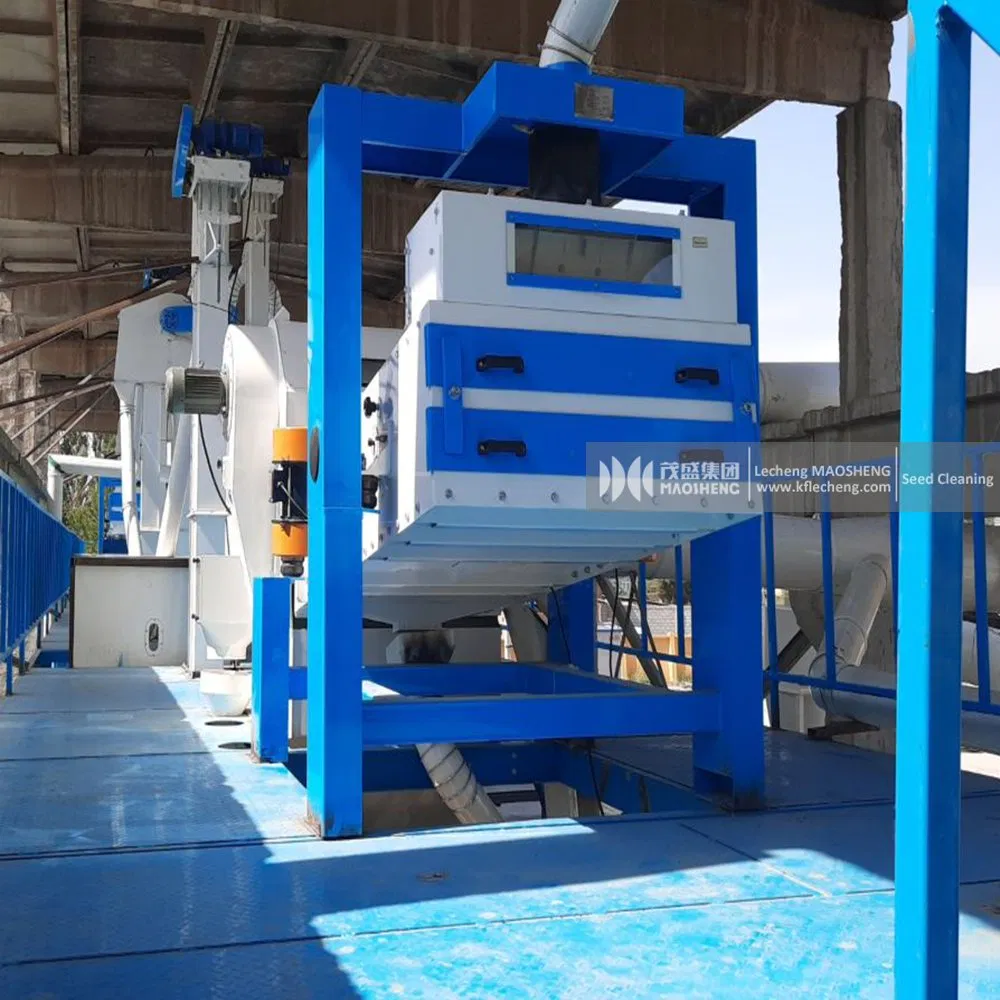
Production line and factory setup overview
A compact dry line for pre-cleaning, destoning, aspiration, gravity separation, size grading and packing Afghan lentils.
Recommended lowest-entry line configuration For the lowest credible entry, select a 500-1,000 kg/h line with an air-screen cleaner, destoner, gravity separator, multi-deck grader, magnet and semi-manual packing.
Production process and implementation sequence
- Lot receiving, sampling and moisture check
- Coarse scalping and magnetic protection
- Air-screen cleaning and aspiration
- Destoning
- Gravity separation of light and damaged seed
- Multi-deck size grading
- Manual inspection or optional color sorting
- Weighing, bag closing and lot coding
Products, capacity and market fit
- Afghan lentils can be cleaned near producing areas and sold in consistent wholesale or retail grades.
- Dry processing avoids process-water demand and fits a small warehouse or cooperative.
- Separate size grades improve cooking uniformity and give traders clearer contract specifications.
- The same intake and grading section can later feed a dedicated lentil splitting line.
- Food-grade whole lentils - Buyer-approved purity, moisture, color and foreign-matter limits - Retail packers, wholesalers and institutional buyers
- Uniform seed-size grades - Calibrated screen fractions with controlled undersize - Premium cooking, export and seed-market buyers where certified
- Feed and cleaning rejects - Kept separate and released only after safety checks - Approved feed users
Core production machinery and line specifications
| Machine / stage | Function / value | Production note |
|---|---|---|
| Receiving hopper and magnet | Meters lentils and removes ferrous contamination | Low-drop design to limit seed damage |
| Air-screen cleaner | Removes oversize, undersize, chaff and dust | Interchangeable screens for confirmed lentil varieties |
| Destoner | Separates stones and dense field impurities | Adjustable deck inclination and airflow |
| Gravity separator | Rejects light, insect-damaged and immature seed | Variable air and deck frequency |
| Multi-deck grader | Divides cleaned lentils into saleable size fractions | Three or four launch grades |
| Inspection conveyor | Allows manual removal of visible defects | Food-grade belt with suitable lighting |
| Bagging scale and closer | Fills and closes released lots | Semi-manual 5-50 kg starter range |
| Dust filter and aspiration ducting | Controls dust at cleaner and transfer points | Safe collection with accessible cleaning |
Raw materials, utilities and factory requirements
- Dry Afghan red, green or brown lentils
- Food-grade retail pouches or lined wholesale bags
- Labels, sewing thread or sealing consumables
- Approved sanitation and pest-control materials
- Stable three-phase electricity
- Dust extraction and safe ventilation
- Dry raw-lentil and finished-grade storage
- Calibrated moisture meter, scales and laboratory sieves
- Food-hygiene and pest-control program
Indicative low-entry investment and implementation plan
These planning ranges prioritize economical machinery, local labor and local civil works. Final pricing follows confirmed capacity, product specification, delivery terms and site conditions.
| Scope | Indicative range | Entry-plan note |
|---|---|---|
| Air-screen cleaning, magnet and aspiration | US$4k-9k | Compact dry intake section |
| Destoning, gravity separation and grading | US$5k-12k | Mechanical quality separation |
| Semi-manual bagging and inspection | US$2k-5k | Color sorter excluded |
| Electrical, installation and initial spares | US$2k-5k | Include screens, belts and bearings |
| Freight and clearance | US$3k-7k | Consolidated shipment where practical |
| Indicative low-entry total | US$16k-38k | Building, lentil inventory and optical sorter excluded |
Detailed proposal and next step
The proposal contains the complete line flow, machinery scope, raw-material and utility requirements, implementation stages and indicative entry planning. Final configuration follows confirmed products, capacity, site and budget.