
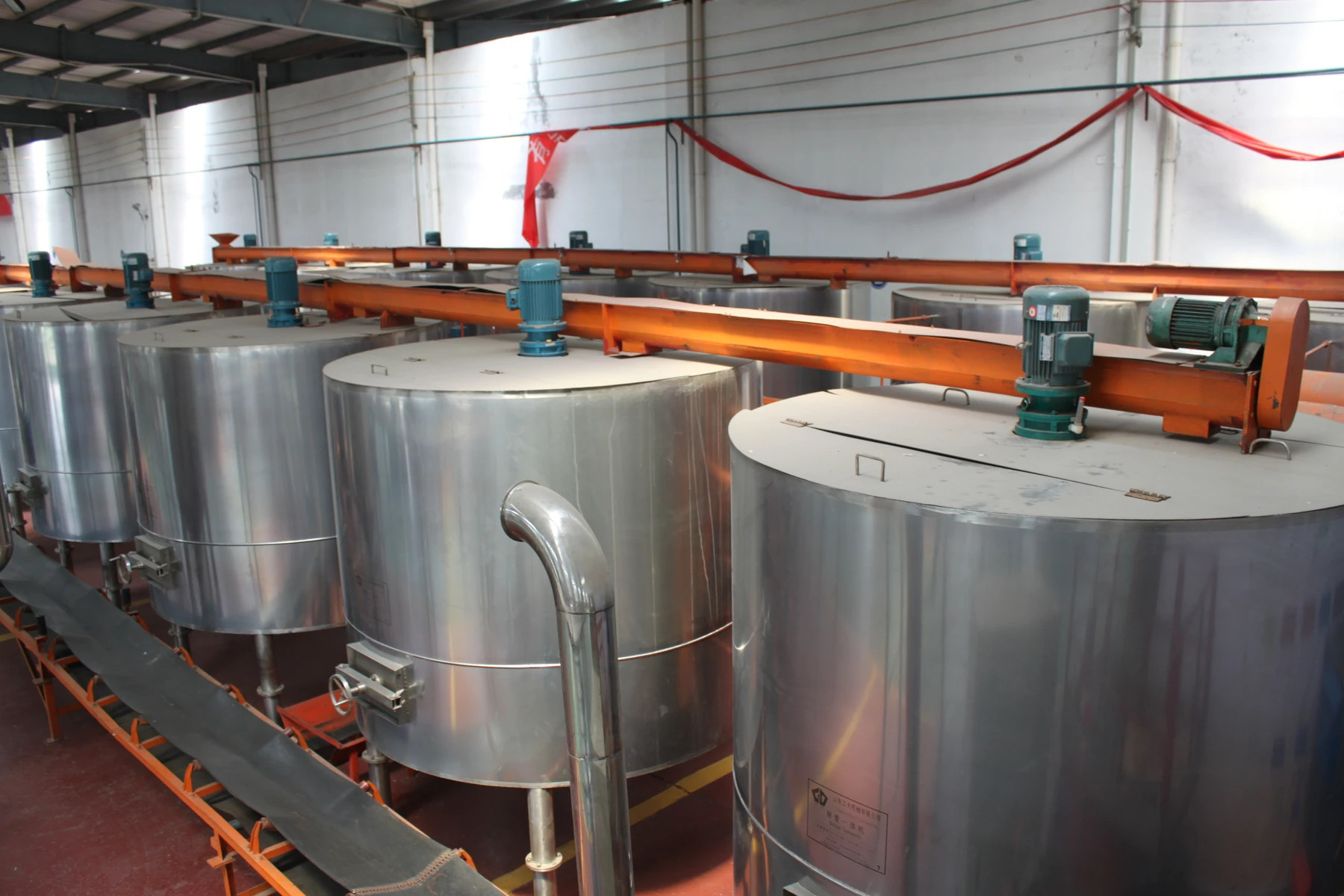
Production line and factory setup overview
A controlled cleaning, steeping/aeration, germination, turning, kilning, rootlet removal and packing line for malted barley used in legal food and feed applications.
Recommended lowest-entry line configuration For the lowest credible entry, select a 0.5-1 tonne/batch system with a cleaner, aerated steep tank, combined germination-kilning vessel, temperature and humidity controls, deculmer and semi-manual packing.
Production process and implementation sequence
- Malting-barley receiving, cleaning and grading
- Germination-energy and moisture acceptance tests
- Controlled steeping with water changes and air rests
- Germination with humidified air and regular turning
- Kiln drying and curing to the approved profile
- Cooling and deculming to remove dry rootlets
- Resting, grading and laboratory release
- Weighing, bag closing and dry storage
Products, capacity and market fit
- Suitable Afghan barley can be upgraded into malt flour, malted cereal ingredients or specialist feed inputs.
- A combined germination-kilning vessel reduces transfers, building area and entry equipment count.
- Small batches allow processors to develop legal food and feed recipes before expanding capacity.
- Rootlets are a protein-rich co-product for approved feed use when hygienically collected.
- Food-grade base malt - Buyer-approved color, moisture, modification and enzyme activity - Malt flour, cereal mixes, bakery and malt-extract users
- Kilned or roasted food malt - Recipe-controlled color and flavor after validated curing - Bakery, beverage and flavor-ingredient users where lawful
- Feed-grade malted barley - Validated germination, drying and microbiological safety - Specialist livestock and young-animal feed formulators
- Malt rootlets - Dry, clean deculming co-product - Approved feed users
Core production machinery and line specifications
| Machine / stage | Function / value | Production note |
|---|---|---|
| Barley cleaner, grader and magnet | Removes foreign matter and creates uniform germinating lots | Separate thin, broken and nonviable kernels |
| Aerated steep tank | Raises grain moisture through water periods and air rests | Drainable food-grade vessel with air and CO2 removal |
| Combined germination-kilning vessel | Germinates on a ventilated bed, then dries and cures the green malt | 0.5-1 tonne/batch entry configuration |
| Turning mechanism | Prevents root matting and equalizes temperature and moisture | Gentle adjustable movement without kernel damage |
| Air-handling and humidity system | Supplies conditioned air through the grain bed | Variable fan, fresh/return air and humidification controls |
| Kiln heater and controls | Applies the validated drying and curing profile | Food-safe indirect heat with staged temperature control |
| Deculmer and grader | Removes dry rootlets and grades finished malt | Dust control and separate co-product outlet |
| Scale and bag closer | Packs released dry malt | Semi-manual 10-50 kg starter range |
Raw materials, utilities and factory requirements
- Malting-grade barley with high germination energy and capacity
- Potable process water
- Food-grade bags, liners, labels and coding materials
- Approved sanitation and pest-control materials
- Stable three-phase electricity for fans, pumps, turning and controls
- Food-safe kiln heat source and exhaust
- Reliable potable water and controlled drainage
- Temperature- and humidity-managed germination room
- Dry, cool barley and finished-malt storage
- Laboratory access for germination, moisture, microbiology and product-specific malt tests
Indicative low-entry investment and implementation plan
These planning ranges prioritize economical machinery, local labor and local civil works. Final pricing follows confirmed capacity, product specification, delivery terms and site conditions.
| Scope | Indicative range | Entry-plan note |
|---|---|---|
| Cleaning, grading and aerated steeping | US$8k-18k | One small uniform batch stream |
| Combined germination-kilning system | US$18k-45k | 0.5-1 tonne/batch with airflow and turning |
| Deculming, grading and semi-manual packing | US$4k-10k | Separate rootlet collection |
| Controls, heat, installation and initial spares | US$5k-14k | Include calibrated temperature and humidity sensors |
| Freight and clearance | US$5k-12k | Confirm vessel dimensions and transport frame |
| Indicative low-entry total | US$40k-99k | Building, laboratory, barley stock and downstream malt milling excluded |
Detailed proposal and next step
The proposal contains the complete line flow, machinery scope, raw-material and utility requirements, implementation stages and indicative entry planning. Final configuration follows confirmed products, capacity, site and budget.